Dearest Rachel –
For all the Japanese (and other Asian) restaurants we have scattered throughout the local area within a fairly reasonable drive, most of them tend to be of what the natives themselves would consider to be restaurant food. This sounds like a tautology, I realize, but here’s the thing; what we can find on a bill of fare here tends either toward the fancy or the fast food, but not what a typical family might prepare in their homes.
This was driven home on our first full day while in Nagano, when Daniel, rather than wanting to do something special, like hotpot or yakiniku, or even some more local specialty like the oyaki we’d had the night before, requested that we check out the restaurant specializing in omurice, which he hadn’t had since our last visit to Japan together just a little less than three years ago. And while I’m not a particular fan of the dish – I don’t like my eggs runny, even (especially?) within an omelet – the version I had, covered in curry sauce and cheese and baked until the cheese was golden and ever so slightly browned, was pretty good.
It turned out that my dish – referred to as a ‘doria’ for reasons that aren’t particularly clear to me, other than it sounded foreign and fancy at the time it was first created back about a hundred years ago (yes, it’s of fairly recent vintage) – is a part of an entire genre of Japanese cuisine called yōshoku (洋食), which translates to “western food.” And while it occurred to me that this particular bit of Japanese comfort food isn’t widely available here in the States, its very name explains why; why go to a Japanese restaurant for “Western” food? It’s exactly why we avoided places like Saizeriya while in Japan; we can get better “Western” food back in the States.
But yōshoku, despite the translation of its name, isn’t really “Western” food at all; at most, it’s a very Japanese take on various types of Western cuisines. Not only that, but it covers a broad range of preparations; their mix of curry and rice falls under the category, as even India would be considered “western” to the Japanese (at least geographically speaking, although curry technically came to Japan by way of the British empire, thereby qualifying it as “Western” in the more traditional sense). However, all these dishes have been incorporated into the Japanese culinary lexicon, after being modified for their own palates to the point where they are a form of comfort food that one just can’t get in “the West,” regardless of the name.
And so, as promised, I can now tell you about last night’s attempt at cookery, as I decided to take a crack at making a ‘doria’ of my own. Although in this case, it wouldn’t involve making an omelet; it would just be three basic layers of rice, meat sauce and cheese, which is a fairly traditional (if you can call a dish with a mere hundred-year-old pedigree ‘traditional’) format:
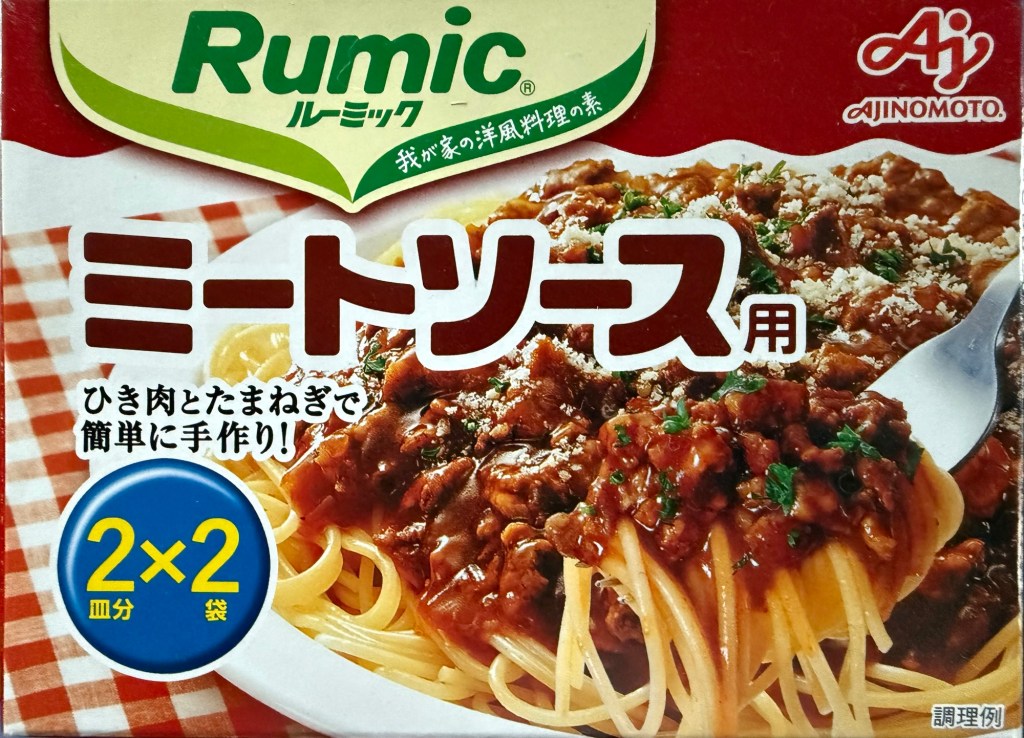
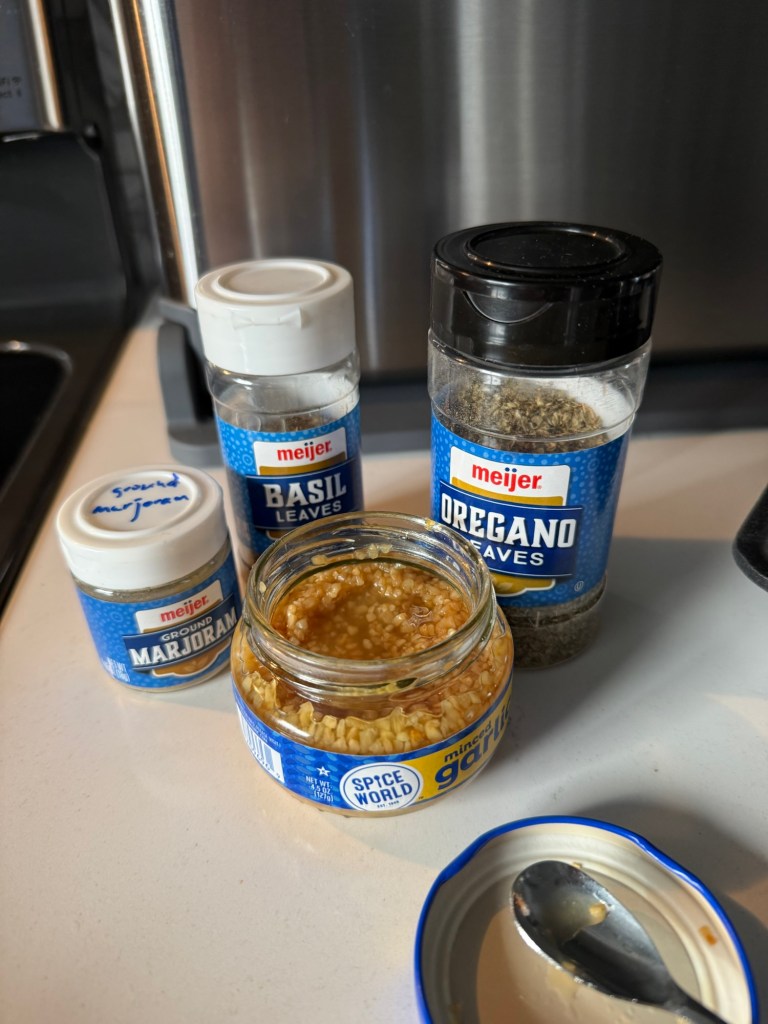
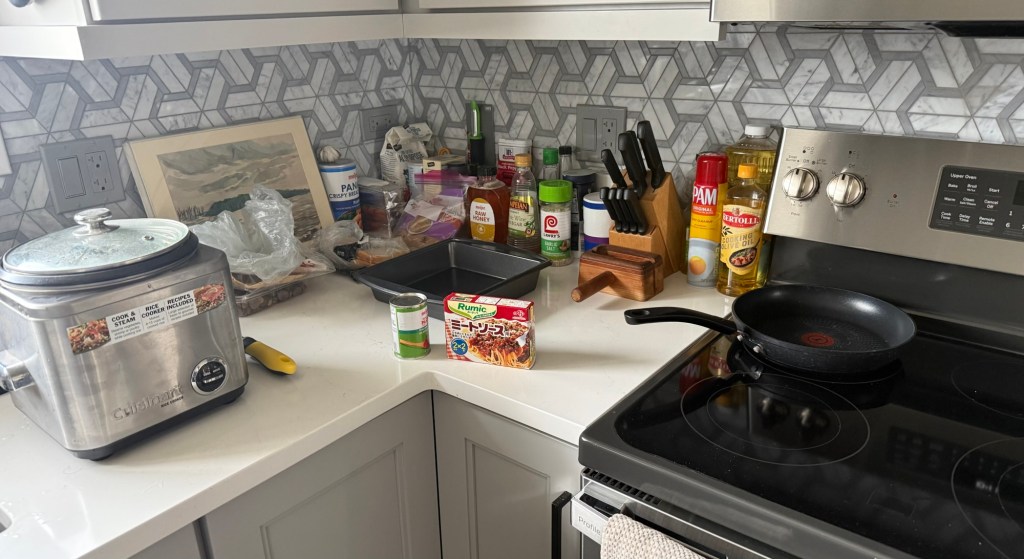
This, by the way, is the assembly I put together yesterday morning when I was supposed to be working on getting my breakfast together.
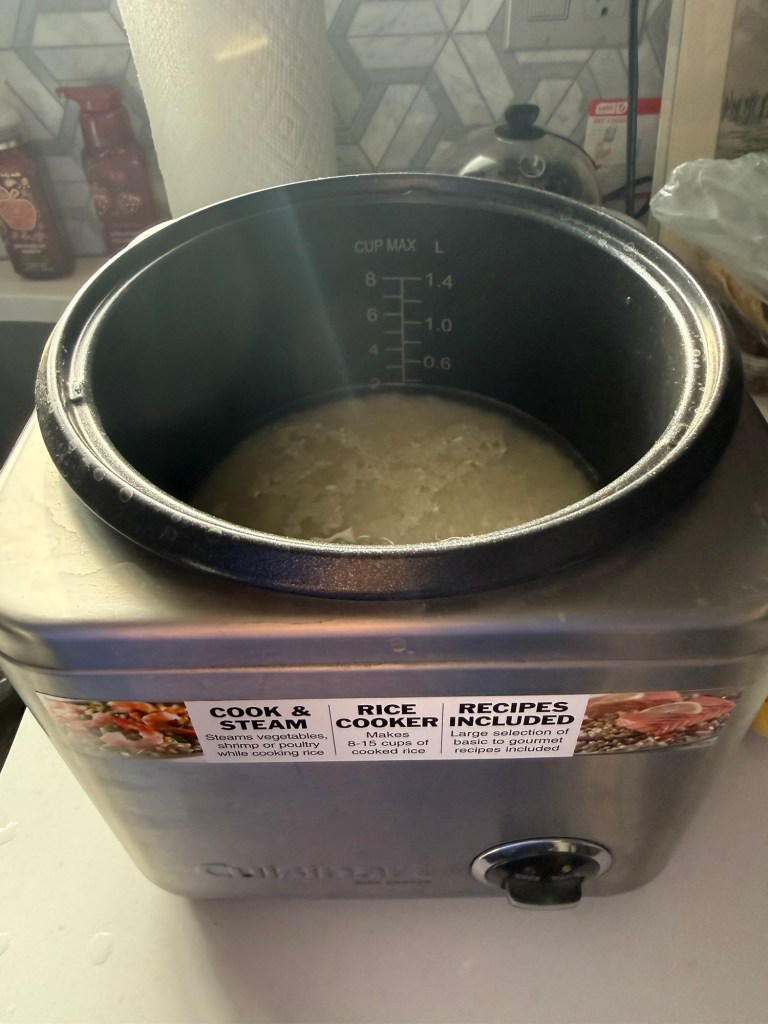
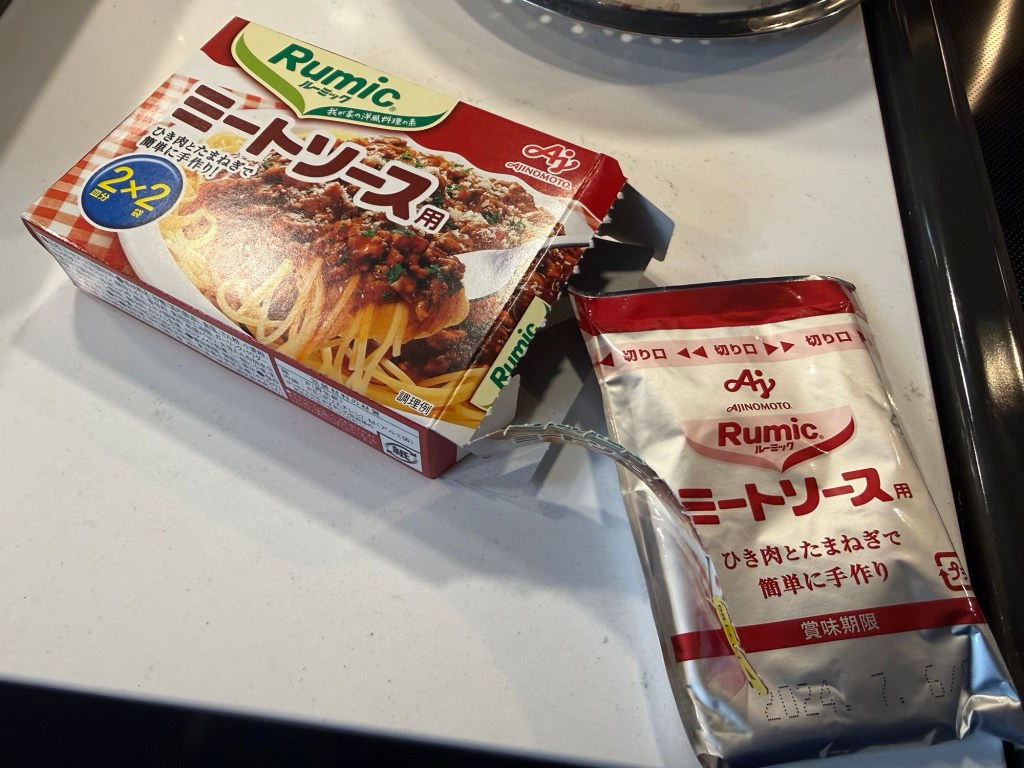
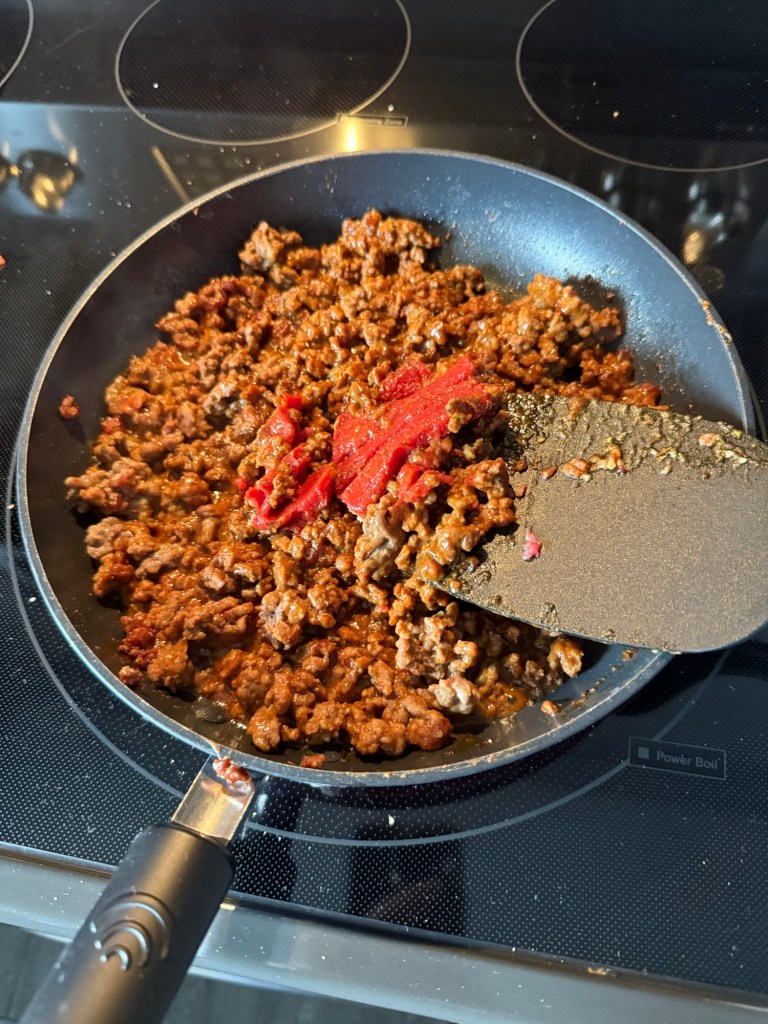
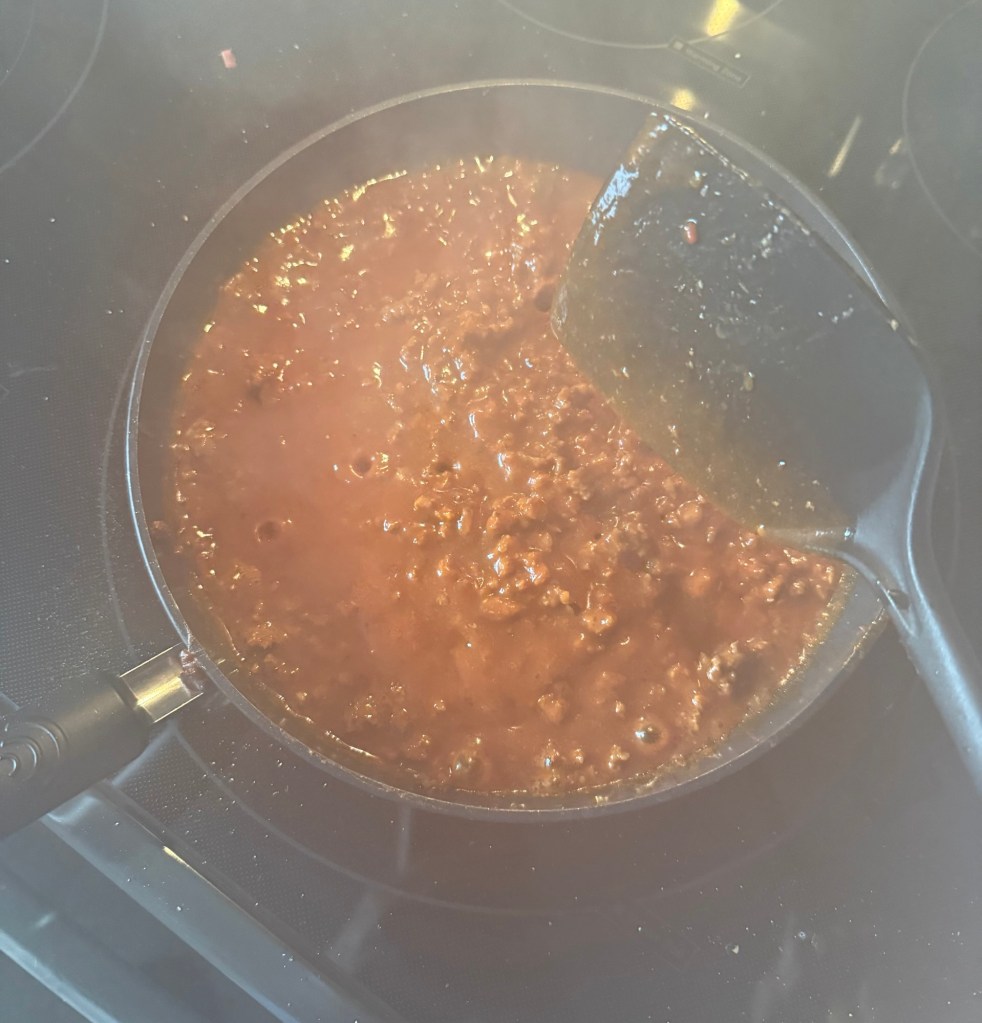
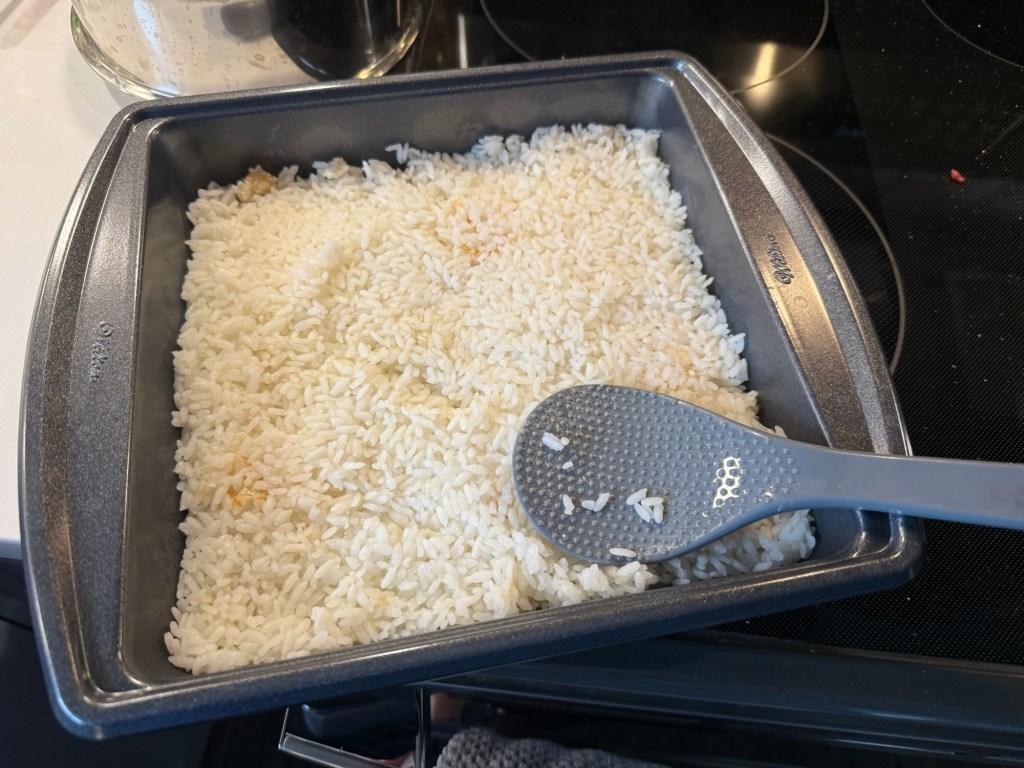
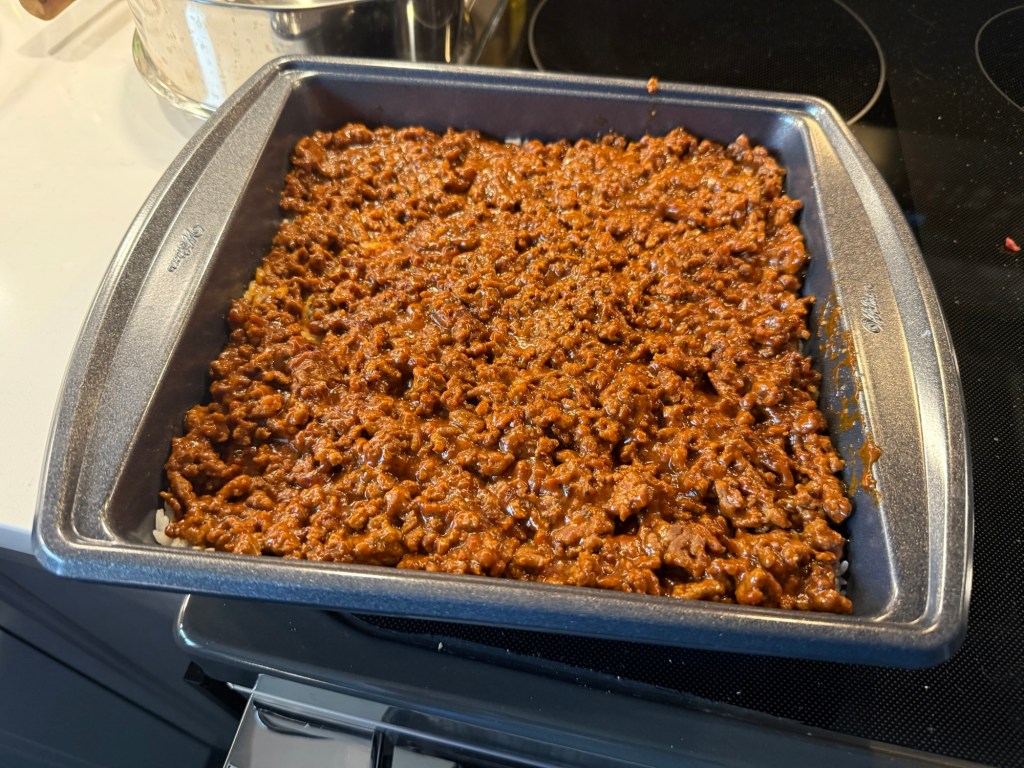
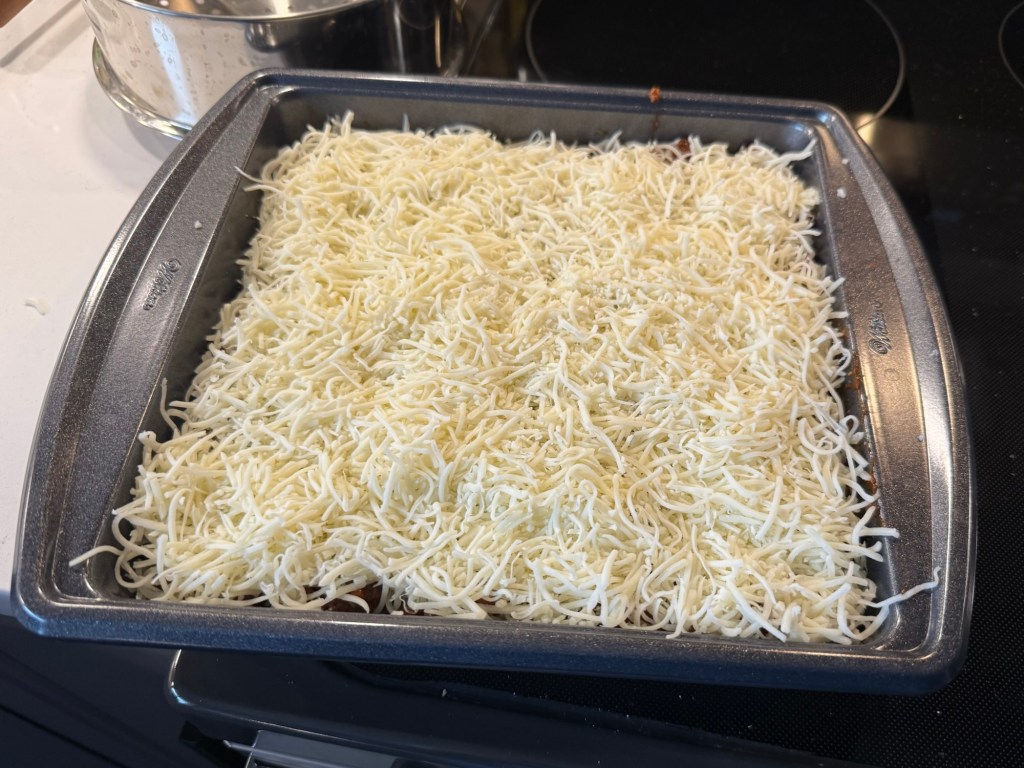
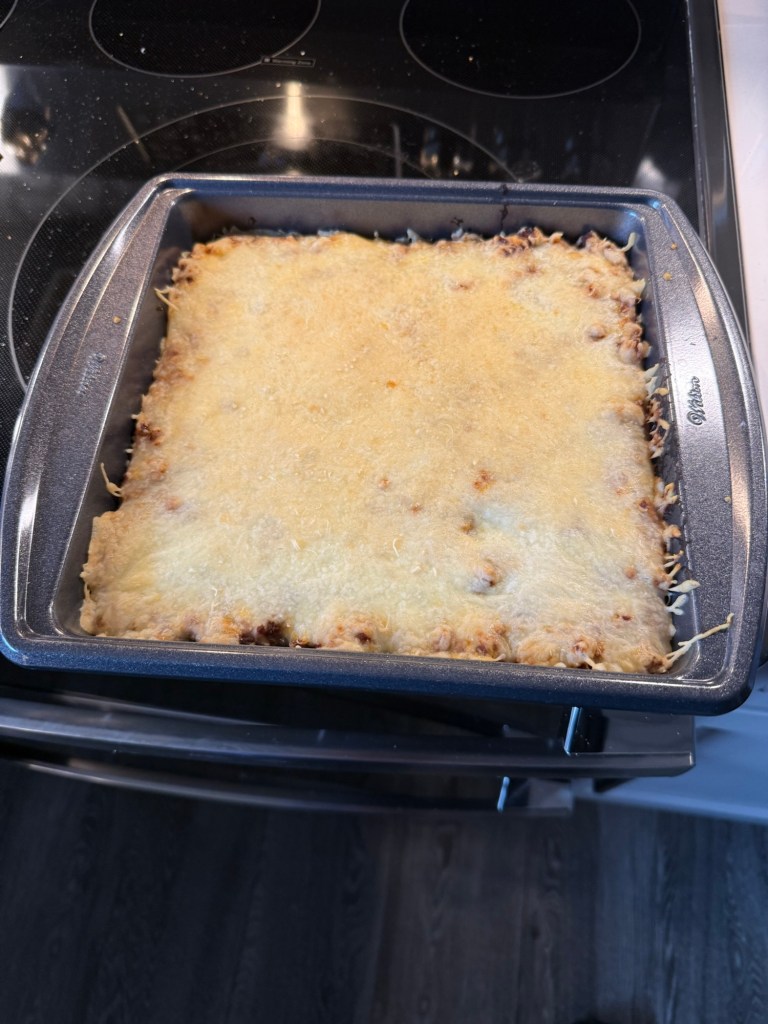
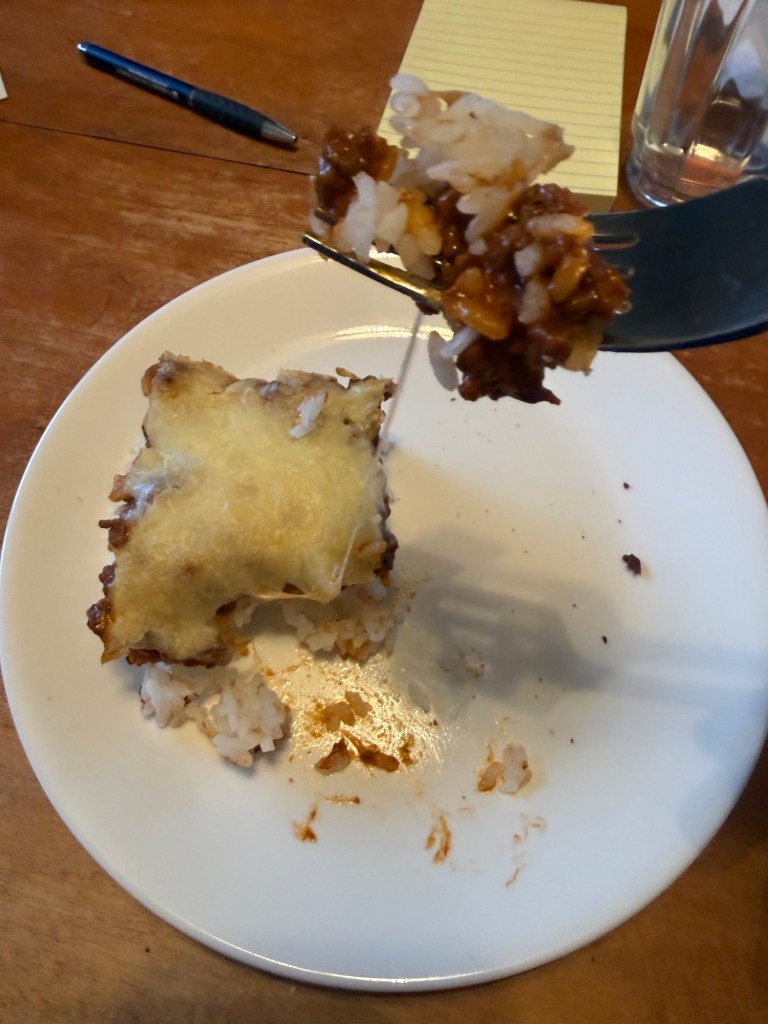
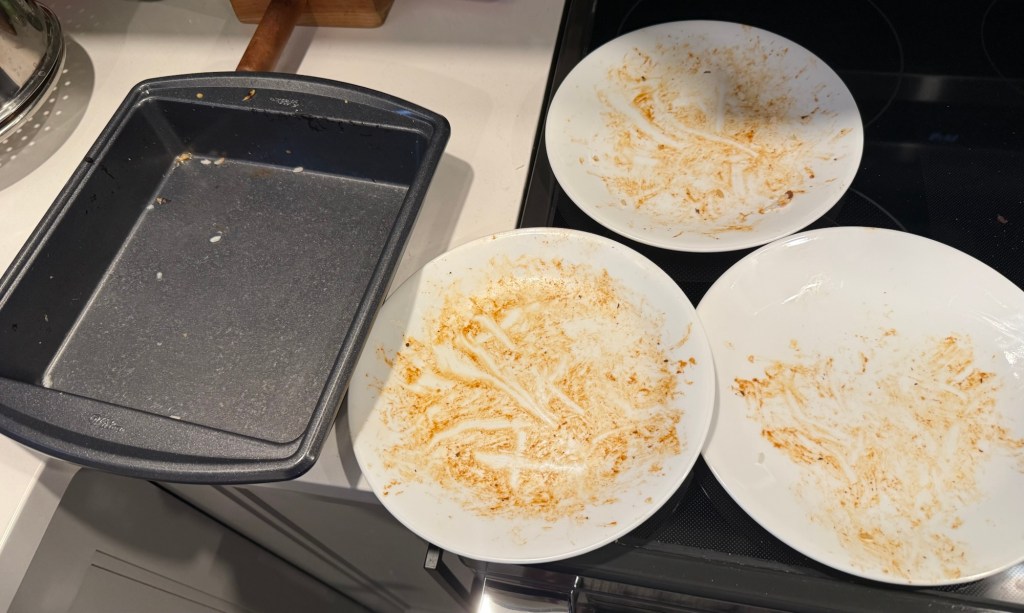
It’s probably overstating things to refer to this letter as a recipe; apart from having to refresh my memory about how to use the rice cooker, and timing when to add the spices and seasonings, this is a pretty easy thing to put together (although meanwhile, one would probably be hard-pressed to find the seasoning packet on this side of the Pacific, whereas it’s common enough to be found in their equivalent of a dollar store over there). It’s just a base of rice – or in the case of our experience in Nagano, omurice – meat sauce (apparently, the original doria involved shrimp in a cream sauce) and cheese on top. Very simple, very basic, and at the same time very filling and satisfying. No wonder it’s a popular home-cooked meal.
So I’ll be trying this again sometime relatively soon, probably with curry sauce and cheddar cheese, most likely – although Daniel will likely also be clamoring for curry toast for breakfast at some point in the near future, too. Good thing we got two boxes of the stuff while we were out shopping last time.
Be that as it may, honey, I’d appreciate it if you’d continue to keep an eye on us, and wish us luck. We got plenty of it last night, but we could always use more in the days to come.

 Letters to Rachel
One thought on “Someone Else’s Comfort Food”