Dearest Rachel –
I’d started this letter literally on the way to Just One from the airport. I’d thought, based on some of the topics touched on in the orientation, that our nightly debriefs might include the fact that we’d seen and heard stuff that we couldn’t comment upon in the moment. After all, we were warned that there would be certain cultural aspects of the local society which… let’s just say would require getting used to (and that a week of being there wouldn’t be sufficient to do so). Basically, as guests in a country, we needed to be circumspect and not to criticize our hosts – if nothing else, even if an issue is valid, there may not be much that can be done to address the situation save on an institutional or cultural level – but when it was just us, I assumed there would be some ‘getting it out of our system’ that would be a part of the debrief.
And while some of those cultural issues were brought up – especially the fact that we couldn’t (or rather weren’t supposed to) flush used toilet paper, and the fact that some of us couldn’t help dropping one in now and again, which is undeniably amusing between ourselves – that wasn’t by any means the main focus of such meetings. It was more going over what we’d seen and experienced that reminded us what God was doing here; an emphatic emphasis upon the positives, rather than the negatives. Which, to be fair is as things should be.
But right from the moment we landed, and were driving off to our hotel, we found ourselves in a picturesque valley, with mountains on either side of the road. I really should have been paying attention to and enjoying the scenery…

…but instead, I couldn’t help noticing the trash on the side of the road.

…and I wondered if this would be made part of some evening’s debrief discussion.
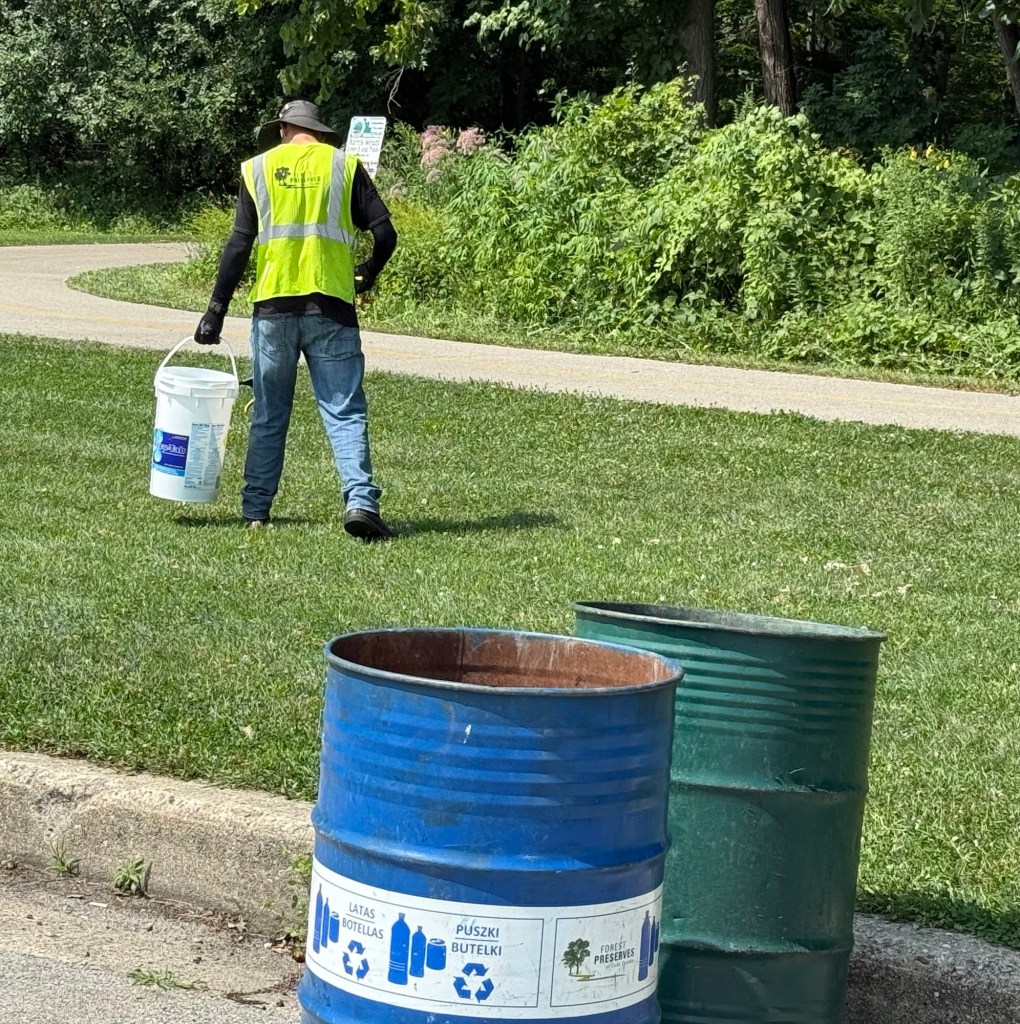
Look, it’s not as if this is unique to Honduras, by any means. I could fill my hand with a list of countries I visited just last year that could make this level of mess look perfectly clean – and on those excursions, we were cruise ship tourists, in some of the best neighborhoods (since a country would want to put its best foot forward for the moneyed class). But after a year of being back in the States, where we’ve been shamed out of littering by the likes of Iron Eyes Cody and his spiritual successors, it draws my eye.
Bear in mind, the fact that you and I could remember this commercial, while also a testament to its iconic status, indicates that it hasn’t been all that long since we cleaned up our act; within our lifetimes, in fact. Every so often, when reminded not to drink the water down there, I couldn’t help thinking of Tom Lehrer (who may have shown up at the gates the other day, but being a public figure, I wouldn’t know enough about him to confirm it, and you can’t send a message back to let us know, any more than you can about your parents), who suggested that “the folks downstream” were drinking the garbage that his listeners were dumping into the water… which is essentially why you couldn’t drink the water in Honduras, by the way.
There are times when I wonder if the whole environmental movement is just a luxury belief that the third world just can’t afford. Then again, there’s this feeling that, if folks could be made to pick up after themselves (and others), they might be able to look more like the first world – and draw more people from the first world, which would accelerate an ascent into prosperity. It also would clean up their water, making it safe to drink, thereby reducing health care costs for their country. So maybe it’s not so much of a luxury as all that.
But maybe that’s an oversimplification. It would take a concerted effort to convince a society to change its ways like that; it certainly did with us. But we did manage it; so theoretically, it could happen elsewhere. The question is whether they have the will to do it, and the infrastructure to enforce it.

Picking up litter isn’t a glamorous thing, to be sure, and no one wants to live by a landfill or a water treatment plant. But as humble as they are, such things as the cornerstone of a civilized society. It’s true that it’s not scriptural that “cleanliness is next to godliness” – and in fact, many early Christians made a point of not bathing, for instance, given the lascivious reputation of the Roman baths that they wanted to eschew in particular – but not only does it make the environment look that much better, it eliminates the proliferation of disease in a way that’s so simple as to be elegant in its own right.

I don’t know what it would take to correct the situation down there – or up here, for that matter. Maybe it’s a societal issue that requires a universal change of heart; it would take more than the efforts of a single person to really change things down there.
And with that having been said, honey, I’d appreciate it if you would continue to keep an eye on me, and wish me luck, as I’m sure I’m going to need it.

 Letters to Rachel
2 thoughts on “Enough To Make an Indian Cry”