Dearest Rachel –
So now, we visit the third of Japan’s major islands, meaning we’ll have stopped at all but Hokkaido on this trip. And to think, we still have three more days before we’re back in Tokyo.
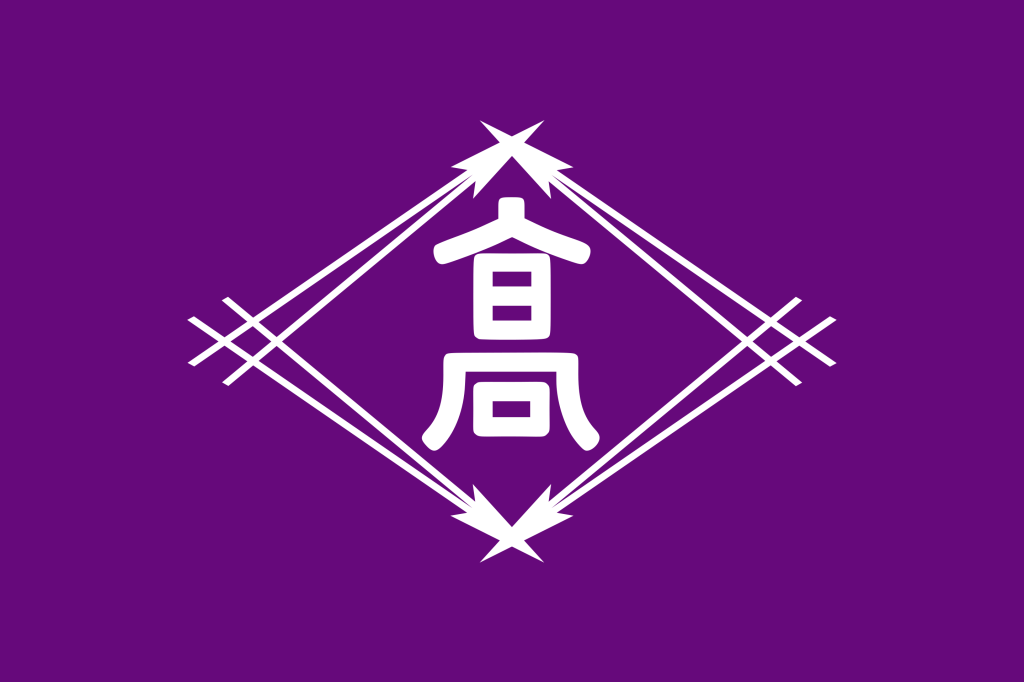
Takamatsu is the capital city of Kagawa Prefecture, located in the northwestern part of Shikoku Island, the smallest of Japan’s four main islands (with Kagawa also being the smallest of Japan’s 47 prefectures, in terms of geographic area). The name Takamatsu literally means “tall pine tree,” which is said to have been inspired by the ancient pine trees that once stood on the city’s waterfront.
As of 2021, Takamatsu has a population of around 420,000 people and covers an area of approximately 375 square kilometers, with a population density of around 1,100 people per square kilometer (or 2,900 per square mile – a little more than half our own density). The city is situated on the Seto Inland Sea and is known for its mild climate, scenic beauty, and rich cultural heritage.
Takamatsu has a long and storied history that dates back to the Jomon period, over 10,000 years ago. During the feudal era, the city was an important castle town and commercial center, thanks to its strategic location along the Seto Inland Sea. During the Sengoku period, Ikoma Chikamasa built the first Takamatsu Castle in 1588, predating many of the castles we’ve had the opportunity to visit thus far. However, the main keep of the castle was destroyed during the Meiji Period, and today only a few of the original structures, such as the Tsukimi Yagura (Moon Viewing Turret) and part of the castle walls, have survived. The grounds have been turned into a park and are a popular spot for cherry blossom viewing in the spring. As for the city itself, its prosperity continued into the Meiji era, when it became a major center of industry and commerce.
Today, Takamatsu is a vibrant and modern city that offers visitors a wealth of cultural and historical attractions. One of the city’s most famous landmarks is the Tamamo-no-Mae statue, which is said to be the oldest wooden statue of a human in Japan. Tamamo-no-Mae is a legendary figure in Japanese mythology and folklore who is said to have been a beautiful and intelligent woman who was revealed to be a nine-tailed fox demon in disguise. The story goes that she was born in ancient China and traveled to Japan, where she served as a courtesan for the Emperor Toba. However, her true nature was discovered, and she was ultimately killed by the hero, Minamoto no Yoshitsune.
Other popular sites include Ritsurin Garden, a sprawling park that features traditional Japanese gardens, ponds, and tea houses; and Yashima, a scenic plateau that offers panoramic views of the Seto Inland Sea.
April is a great time to visit Takamatsu, as the city’s famous cherry blossom trees are in full bloom. One of the best places to view the cherry blossoms is at Ritsurin Garden, which has over 1,000 cherry trees that provide a stunning backdrop for a leisurely stroll or picnic. For visitors looking to explore Takamatsu’s rich cultural heritage, there are a number of museums and art galleries to explore, including the Kagawa Prefectural Museum of Culture, which houses a collection of ancient pottery and other artifacts; and the Takamatsu City Museum of Art, which showcases the works of local and international artists.
In addition to its many cultural and historical attractions, Takamatsu is also known for its delicious local cuisine, which includes Sanuki udon noodles, a type of thick wheat noodle that is typically served in a savory broth with various toppings. Visitors can sample this and other local delicacies at one of the city’s many restaurants and food stalls. Takamatsu is also known for its olive industry. In fact, it is the only place in Japan where olives are commercially cultivated. The cultivation of olives began in Takamatsu in 1908, when a local businessman named Shozo Tanaka imported olive saplings from the United States and planted them in the area. Today, the area is one of the largest olive producers in Japan, with over 230,000 olive trees covering more than 100 hectares of land. The olives grown in Takamatsu are known for their high quality and unique flavor, which is influenced by the region’s climate and soil.
Interesting tidbits about Takamatsu include its role as a hub of the Shikoku Pilgrimage, a 1,200-kilometer trek that takes pilgrims to 88 Buddhist temples throughout the island of Shikoku. Takamatsu is also home to the famous “Sanuki Mannou Park,” a popular amusement park that features a wide range of rides and attractions, including roller coasters, water slides, and a petting zoo.
As we don’t have a shore excursion lined up here, we theoretically have all sorts of options; however, whether we’ll have time for any of this is debatable – certainly, the Shikoku Pilgrimage is right out, and I doubt we’ll be able to catch a game of the Kagawa Olive Guyners (although the baseball season did start at this point, so it’s not entirely impossible, just very much unlikely)
Regardless, keep an eye on us, honey, whatever we decide to do, and wish us luck; we’re going to need it.

 Letters to Rachel